Fence permits and height rules in Markham and Toronto
Short answer
You don't need a permit to build an ordinary fence in Toronto or Markham, as long as it follows the city's fence by-law. Markham allows 1.2 m (4 ft) in the front yard and 1.8 m (6 ft) in side and rear yards. Toronto allows 2.0 m in most yards and 1.2 m in a front yard within 2.4 m of the street. Pool fences need a permit in both cities, as do new fences in Markham's heritage districts.
Key numbers
- Markham front yard
- 1.2 m (4 ft)
- Markham side and rear yards
- 1.8 m (6 ft)
- Toronto, most yards
- 2.0 m
- Pool fence, minimum height
- 1.2 m (4 ft), both cities
- Locate request before digging
- At least 5 business days
In this guide
You don’t need a permit to build an ordinary fence in Toronto or Markham. What you need is a fence that follows the city’s fence by-law. Permits only come in for pool enclosures and new fences in Markham’s heritage districts, and a fence taller than the limit needs an exemption.
An over-height fence can be ordered fixed or taken down long after it went up. In Toronto, a replacement fence has to meet today’s rules even if the old one didn’t.
If your fence is already up and just needs work, see our deck and fence repair page.
Do you need a permit to build a fence in Toronto or Markham?
No, not for an ordinary fence that stays within the height and material rules. Toronto’s fence page explains the Fence By-law (Municipal Code Chapter 447) and only describes a permit process for pool enclosures.
Markham’s fence page does the same. It points to a swimming pool enclosure permit and nothing else for regular fences.
You do need the City’s sign-off before building in these cases:
- The fence encloses a pool or hot tub. Both cities require a pool enclosure permit (details below).
- You live in one of Markham’s heritage conservation districts (Buttonville, Markham Village, Thornhill or Unionville) or in an individually designated heritage property. The City’s heritage permit page lists “new or different fences” as work that needs a heritage permit.
- You want a fence taller than the by-law allows. That needs an exemption, which is a separate application in each city.
Good to know
For a fence on a retaining wall, beside a ravine or along a shared driveway, ask the City before you buy materials. Markham’s By-law Enforcement and Licensing line is 905-479-7782. In Toronto, call 311.
How high can a fence be in Markham and Toronto?
In Markham, a fence can be 1.2 m (4 ft) in the front yard and 1.8 m (6 ft) in side and rear yards. In Toronto, most fences can be 2.0 m, except in a front yard within 2.4 m of the street, where the limit is 1.2 m.
Here are the residential limits from each by-law:
Scroll sideways to see the whole table.
| Where the fence is | Markham (By-law 277-97) | Toronto (Chapter 447) |
|---|---|---|
| Front yard, close to the street | 1.2 m (4 ft) | 1.2 m within 2.4 m of the street lot line |
| Front yard, further back | 1.2 m (4 ft) | 2.0 m |
| Interior side yard | 1.8 m (6 ft) | 2.0 m |
| Rear yard | 1.8 m (6 ft) | 2.0 m |
| Side yard facing the street on a corner lot | 1.2 m (4 ft) | 2.5 m along the street, 2.0 m and open style within 2.4 m of a driveway |
| On a deck | Privacy screen up to 1.8 m, kept at least 1.8 m from side and rear lot lines | 2.0 m above the deck surface |
| Backing onto a street, walkway, apartment or non-residential lot | Up to 3.04 m (10 ft) next to commercial, industrial or institutional land | 2.5 m |
How each city measures the height
Markham measures from the finished grade at the base of the fence to the highest point. On a retaining wall, it measures from the top of the wall.
Toronto measures from the average grade one metre away on either side of the fence. On a sloped yard, the same fence can come out at two different heights.
Extras Markham allows above the limit
In Markham:
- Gates can be 30 cm (1 ft) taller than the fence.
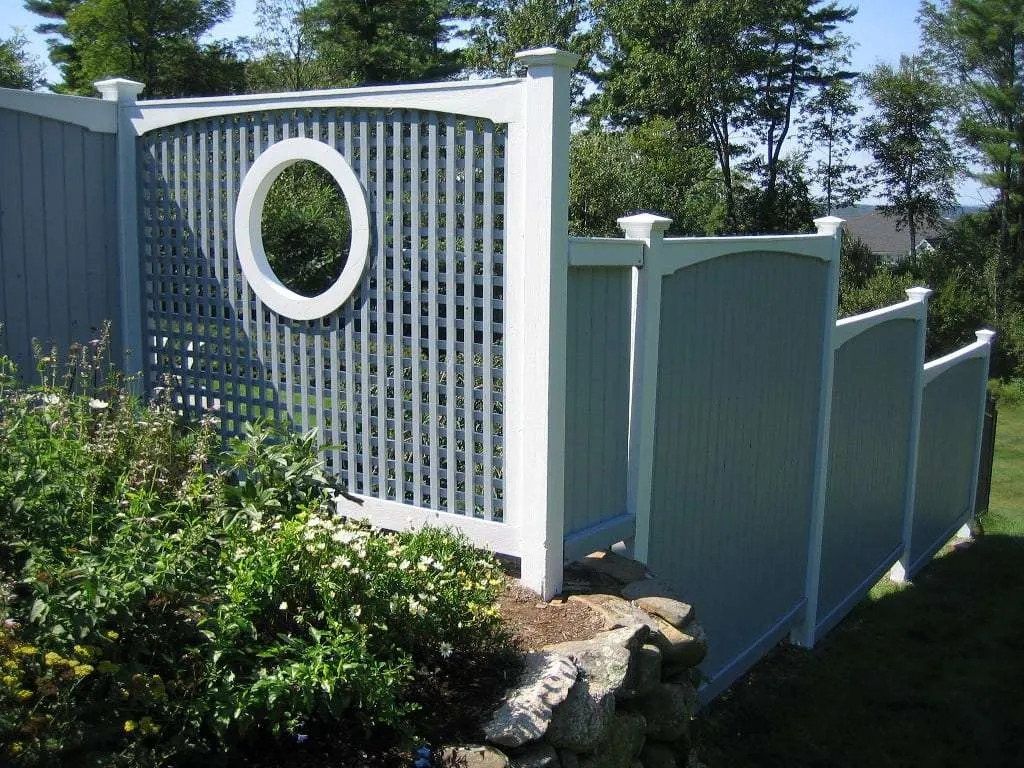
- Decorative post caps can be 15 cm (6 in) taller.
- An entrance archway can reach 2.4 m (8 ft).
The City’s fence page also notes that a rear fence can include up to 0.3 m (1 ft) of lattice on top, as long as the total stays within the maximum.
Watch out
In Toronto, any fence within 2.4 m of a driveway has to be open style, such as chain-link, for the first 2.4 m back from the lot line where the driveway starts, so drivers backing out can see the sidewalk. A hedge or row of shrubs acting as a fence counts too in that zone.
What fence materials aren’t allowed?
Here’s what’s banned:
- Barbed wire and other sharp materials on residential fences are banned in both cities. Toronto adds chicken wire to the list.
- Fences that carry electricity are banned in both. Toronto makes an exception only for livestock fences on working farms.
- Toronto also bans sheet metal, corrugated metal panels and anything not normally meant for permanent fencing.
- A snow fence is allowed in Toronto only between November 15 and April 15.
Markham’s by-law adds two practical rules. A fence can’t block a drainage easement or watercourse unless it has a gate that lets water through.
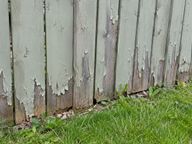
And a fence that was painted or stained has to be kept up “without visible deterioration”. Badly peeling paint is a by-law matter as well as an eyesore.
If yours is getting there, our guide to fence painting vs staining covers which finish lasts longer, and we do fence painting and staining across Markham.
What are the rules for pool fences?
Pool fences are the one place both cities require a permit.
Scroll sideways to see the whole table.
| Rule | Markham | Toronto |
|---|---|---|
| Pools that count | Water can be deeper than 0.6 m (24 in) | 60 cm deep or more |
| Hot tubs | Count, unless they have a locking cover | Count, unless they have a locking cover attached |
| Minimum fence height | 1.2 m (4 ft) all around | 1.2 m on a house lot |
| Permit | Swimming pool enclosure permit from the Building Standards Department, before work starts | Zoning Certificate, then a Pool Fence Enclosure Permit |
Toronto also requires the enclosure to be:
- at least 1.2 m from the water’s edge
- at least 1 m from anything easy to climb, like a tree
Gates have to close and latch on their own. The City says Toronto permit reviews typically take 10 to 20 business days.
Watch out
Don’t fill the pool yet. In both cities, the pool can’t hold water until the City has inspected and approved the enclosure.
Who pays for a shared fence between neighbours?
In Markham, neighbours split the cost of a fence on the shared line. How much each pays depends on whether you agreed in writing:
Scroll sideways to see the whole table.
| Situation in Markham | What the neighbour pays |
|---|---|
| Written agreement | 50/50 of the actual cost, unless the agreement says otherwise |
| No written agreement | Half of the “basic cost” (a plain 4 ft galvanized chain-link fence), or half the actual cost if that’s lower |
Without one, you have to send notice by registered mail at least 14 days before work starts. A neighbour who won’t pay gets a second registered notice and 30 days.
Toronto works differently. Ontario’s Line Fences Act, except section 20, doesn’t apply in the city, and the City doesn’t settle fence location or cost disputes. It points neighbours to free voluntary mediation through TNG Community Services.
Either way, a fence on the line depends on knowing where the line is. Your survey shows it, and a surveyor can mark it on the ground.
Common mistakes when replacing a fence
- Replacing an old fence at its old height. Toronto treats fences lawfully built before June 20, 2018 as compliant only until they’re replaced, and the new one has to meet today’s limits. Markham lets a fence that was legal before its by-law passed in October 1997 be rebuilt to the same height and dimensions, so check which applies before you tear anything down.
- Adding lattice to a fence that’s already at the limit. The lattice counts toward the height.
- Ignoring the driveway rule in Toronto and putting solid boards right to the sidewalk.
- Digging post holes without a locate. The Ontario Dig Authority (formerly Ontario One Call) says locates are free, required for any project that breaks ground, and should be requested at least 5 business days before you dig.
- Building in a Markham heritage district without asking. New or different fences there need a heritage permit, even when the height is fine, and so can painting in a new colour.
When is the best time to build or replace a fence?
Spring through late fall, while the ground isn’t frozen and posts are easy to set. Spring is also when frost-heaved posts and sagging gates show up.
A workable order:
- Confirm the lot line on your survey.
- Apply for a heritage or pool permit if you need one.
- Request a locate at least 5 business days before anyone digs.
- Book the crew for the first warm weeks.
- Leave staining or painting new wood for a dry, warm stretch later on.
Our guide on pressure washing decks and fences without damage explains how to prep older wood. The deck staining guide covers the weather windows, which apply to fences too.
When to call the City, a surveyor or a contractor
Call the City for anything about heights, exemptions or heritage districts. Call a surveyor if you and your neighbour don’t agree where the line is.
Where we come in is the fence you already have. We fix leaning sections, broken boards and sagging gates.
We also wash, paint and stain fences across Markham and nearby, including Scarborough and North York on the Toronto side.
Neither city’s fence by-law has a permit for repairs, so that work can usually start once the weather allows. If your fence needs work, call or text (437) 684-2535 or ask for a quote on our deck and fence repair page.
Other questions people ask
Do I need a permit to build a fence in Toronto?
Not for an ordinary fence that meets the Fence By-law (Municipal Code Chapter 447). The City's fence page sets out the height and material rules and only describes a permit for pool enclosures, which need a Zoning Certificate and a Pool Fence Enclosure Permit. If you want a fence that breaks the height rules, you apply for an exemption from your community council instead. When in doubt, call 311.
Do I need a permit to build a fence in Markham?
Not for a regular fence that meets Markham's Fence By-law 277-97. The City's fences page only lists a permit for swimming pool enclosures, which you get from the Building Standards Department before work starts. Two other cases need the City's approval first: a new or different fence in a heritage conservation district or on a designated heritage property needs a heritage permit, and a fence taller than the by-law allows needs an exemption.
How high can a backyard fence be in Toronto?
On a residential lot, most backyard fences can be up to 2.0 metres, measured from the average grade one metre either side of the fence. A fence on an unroofed deck can be 2.0 metres above the deck surface. A fence outside the front yard that backs onto a public walkway, a street, a multi-residential property such as an apartment building, or a non-residential property can go to 2.5 metres, with tighter limits near driveways.
How high can a fence be in Markham?
Markham's Fence By-law 277-97 allows 1.2 m (4 ft) in the front yard and 1.8 m (6 ft) in side and rear yards. On a corner lot, the side yard facing the street is limited to 1.2 m. Gates can be up to 30 cm taller than the fence and decorative post caps up to 15 cm taller. Anything higher needs an exemption from the City.
Do I have to pay for half of my neighbour's new fence?
In Markham, the division fence rules say a neighbour who hasn't agreed in writing to share the actual cost only owes half of the basic cost, which is the cost of a plain 4 ft galvanized chain-link fence, or half the actual cost if that's less. The owner building it has to give 14 days' notice by registered mail first. In Toronto, the Line Fences Act mostly doesn't apply and the City won't settle cost disputes.
Do I need a permit to repair or repaint a fence?
Neither city's fence by-law has a permit for fixing broken boards, resetting a post or repainting. Markham's heritage districts are the exception to watch: general fence repairs don't need a heritage permit, but painting in a new colour, or one the City hasn't approved before, can need a minor heritage permit. Replacing a fence with a new or different one is where the height rules and heritage permits come back in.
Sources
- City of Toronto: Municipal Code Chapter 447, Fences
- City of Toronto: Fences (height, materials, pool enclosures, line fences)
- City of Markham: Fences and swimming pools
- City of Markham: Fence By-law 277-97 (office consolidation to May 29, 2012)
- City of Markham: Swimming Pool By-law 2015-96 (consolidated)
- City of Markham: Heritage permit
- City of Markham: Heritage Permit By-law 2023-20 (consolidated January 2024)
- Ontario Dig Authority (formerly Ontario One Call): Locate requests
Related guides and service
- How to fix a leaning or rotten fence post (and when the whole section needs replacing) Most leaning fence posts in Ontario have rotted at ground level or been lifted by frost.
- Fence painting vs staining: cost, looks and how long each lasts Paint and solid-colour stain form a film on a wood fence and last longest: about 6 to 10 years on smooth pine with a primer and two top coats, according to the USDA Forest Products Laboratory.
- Pressure washing decks, fences and interlock without damage You can pressure wash a deck, fence or interlock in Ontario without damage if the pressure suits the surface.
- Deck staining in Ontario: when to stain, when not to, and which stain In Ontario, deck staining goes best from late May to mid-September, on wood that's dry right through, with no rain in the forecast.