Polymeric sand: what it is, when to replace it, and what affects the cost
Short answer
Polymeric sand is joint sand mixed with a binder that hardens as it dries, locking interlock pavers together and resisting weeds, ants and washout. Alliance Gator says a correct install can last about 15 years. On GTA driveways and patios, replace it when the joints are cracked, low, weedy or washing out. In Ontario that means clearing the old sand at least 1.5 inches deep and refilling on dry days above 0°C, usually spring to early fall.
Key numbers
- How long it can last
- About 15 years (Alliance Gator)
- Old sand to clear out
- At least 1.5 in (4 cm) deep
- Where to stop filling
- At least 3 mm (1/8 in) below the top
- Weather after install
- Above 0°C for 48 hours, no rain for 24 hours
- Coverage, 22.7 kg (50 lb) bag
- 60–120 sq ft with narrow joints (RG+)
Polymeric sand calculator
Enter the paved area and how wide the joints are. Coverage is for 22.7 kg (50 lb) bags.
About 3–5 bags
For 300 sq ft of narrow joints · 22.7 kg (50 lb) bags.
Narrow joints use Techniseal RG+ coverage (60–120 sq ft a bag); wide joints use Alliance Gator Maxx G2 (22–42 sq ft). Buy one extra bag.
Rather not do it yourself? Get a free quote.
In this guide
Polymeric sand is joint sand with a binder that sets after you wet it, so interlock joints hold through rain and hosing where plain sand washes out and fills with weeds. Replace it when the joints are low, cracked or weedy across most of the surface.
What that costs depends mostly on how much old sand has to come out and how big the area is.
It’s less forgiving than plain sand, though. Sweep it onto damp pavers or leave dust on the surface and you get a white haze. Put it on pavers that are still shifting and the joints crack.
The prep work matters more than which brand of sand you buy. If you’d rather not do it yourself, this is the work we do on our polymeric sand and weed removal jobs around Markham.
What is polymeric sand?
It’s sand mixed with a binder. Unilock describes it as a mix of coarse sand, polymers and binding agents.
Techniseal’s data sheet for its RG+ product calls it graded sand and a binder that is swept in dry, compacted, watered, and hardens as it dries. The binder makes the joint behave like one firm but slightly flexible strip instead of loose grains.
Full, firm joints help keep pavers from shifting. Cured sand also stands up to rain, hoses and careful pressure washing in a way regular joint sand doesn’t, and ants find it harder to dig through.
It isn’t weed-proof, though. Unilock’s wording is that it significantly reduces the risk of weed growth. Techniseal says soil and grass clippings left on the joints can encourage moss and mould and wear the joints out sooner.
Our guide on how to stop weeds growing between pavers covers the upkeep side.
Watch out
Check what your pavers sit on before you buy. Most polymeric sands, including Techniseal’s RG+, are made only for pavers on a draining sand bed over a compacted base, which is how most residential interlock in Ontario is built. Pavers laid over a concrete slab need a product made for that, such as Alliance Gator’s Gator Maxx G2, which the company approves for use over existing concrete.
How long does polymeric sand last?
Alliance Gator says its polymeric sands should last 15 years, on three conditions:
- The pavers were installed to industry standards.
- The sand was installed to its instructions.
- The joints get cleaned now and then so dirt doesn’t build up on them.
Unilock is more cautious and says it can last several years when it’s properly applied and maintained.
In practice the life of the joints depends mostly on what’s underneath. If the base is solid and the pavers don’t move, the sand can go a long time.
If part of the driveway is sinking or heaving, the joints in that area will crack no matter how good the sand is. As Alliance Gator puts it, polymeric sand doesn’t crack on its own; cracking comes from movement.
Fixing the movement comes first. Our guide on why interlock sinks and how to fix it covers that part.
When does polymeric sand need replacing?
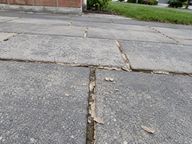
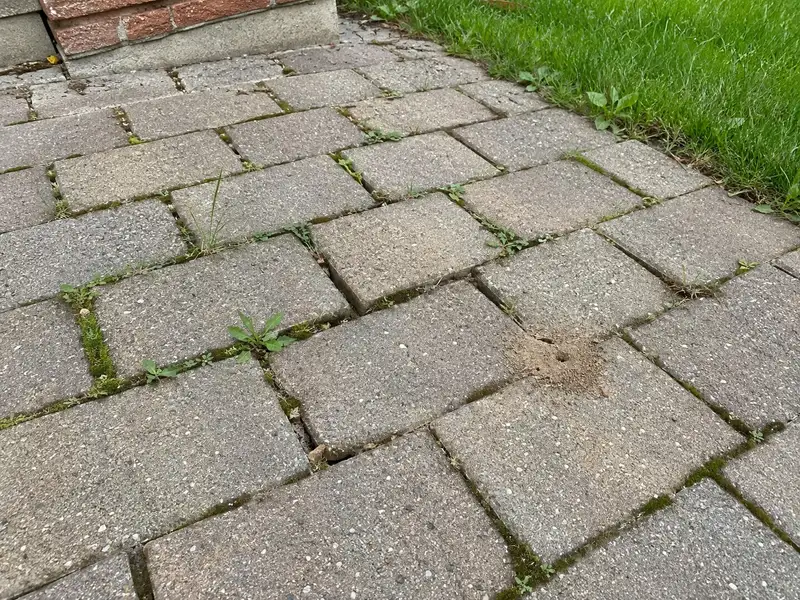
Replace it when the joints are weedy, low, cracked or washing out across most of the surface.
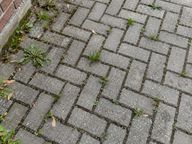
Walk the driveway, walkway or patio and look for:
- Weeds or moss growing in the joints, especially in shady spots and along edges.
- Joints that have dropped well below the paver edges, or are empty in places.
- Cracked or crumbling joint material that you can pick out with a fingernail.
- Sand washing onto the surface after rain.
- Ant hills coming up between the pavers.
- Pavers that rattle or shift when you walk on them.
One or two weedy joints don’t mean the whole surface needs redoing. If the problems are spread across most of the area, it’s time for new joint sand, usually together with a good cleaning.
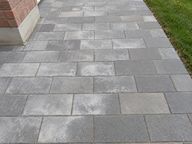
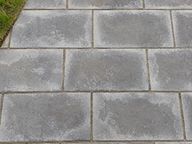
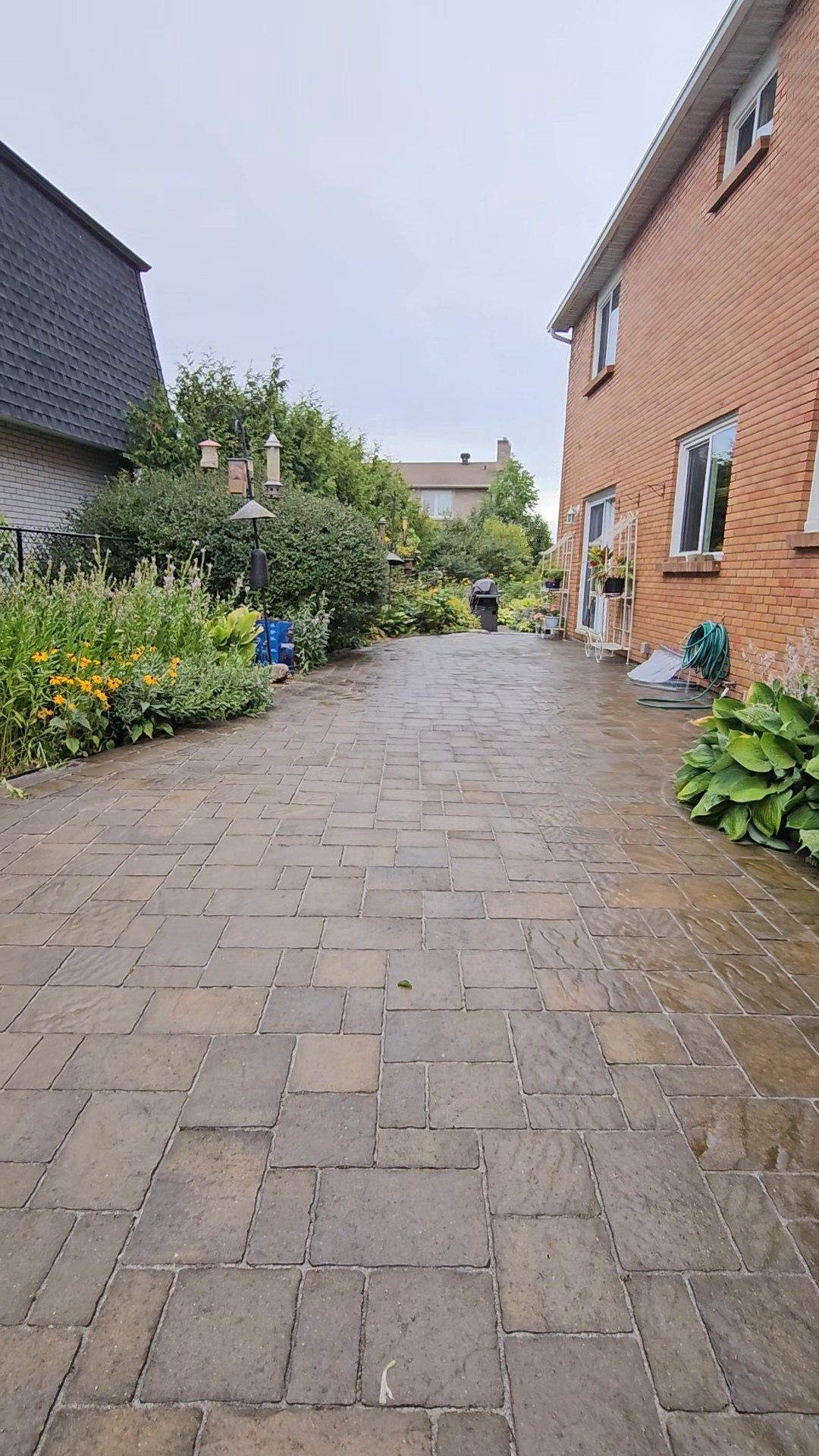
The photos in our interlock restoration write-up show what that looks like: weeds and grass in many of the joints before, then the patio cleaned and re-sanded.
How do you replace polymeric sand?
You clear the old joints at least 1.5 inches deep and refill them, because a top-up doesn’t hold. Alliance Gator gives that 1.5 inch minimum, and Techniseal’s EZSAND sheet says the joints must be empty to at least 4 cm (1.5 inches).
After the old sand is out, it’s the same as a new install:
- Clear the joints to at least 1.5 inches (4 cm), usually with a pressure washer.
- Let the pavers and joints dry right through.
- Sweep the sand in and run a plate compactor over it. Techniseal calls compaction mandatory for RG+ and EZSAND.
- Top up and stop at the bottom of the paver chamfer, or at least 3 mm (1/8 inch) below the top.
- Blow every grain off the surface, then water the joints in with a gentle shower.
Good to know
Dust left on top of the pavers is what causes haze. Each brand has its own watering method, so follow the bag rather than a general rule.
Our step-by-step guide on how to apply polymeric sand has the full steps, the numbers for each brand and the mistakes behind most failures.
Can you put new polymeric sand over old? explains why skipping step 1 doesn’t work. If a white film shows up anyway, see how to remove polymeric sand haze.
When can you install polymeric sand in Ontario?
In Ontario you can install polymeric sand from spring to early fall, on dry pavers, with no rain coming and temperatures above freezing. The two manufacturers spell it out:
- Techniseal asks for the temperature to stay above 0°C for 48 hours after installation, and for no rain in the forecast for the next 24 hours.
- Alliance Gator also says its sand should go down above 0°C, and that if it’s installed colder it may never set.
Around Markham and the rest of the GTA that rules out winter and makes late fall and early April a gamble, because nights can still drop below freezing. Mid-April through early fall works well, as long as you pick a stretch of dry days.
Watch the mornings too. Alliance Gator says high humidity or damp pavers can cause a white haze, so sand swept onto pavers still wet from a rainy night is asking for trouble.
How much polymeric sand do I need?
For narrow joints, plan on roughly one 22.7 kg (50 lb) bag per 60 to 120 sq ft. Coverage depends on the size of the pavers and how wide and deep the joints are.
Here is what two manufacturers publish for that bag size:
Scroll sideways to see the whole table.
| Product | Joint width | Coverage per bag |
|---|---|---|
| Techniseal RG+ | 1/16” to 1/2” (1.6–13 mm) | 60–120 sq ft |
| Alliance Gator Maxx G2 (beige, slate grey, ivory) | 1/8” to 3/8” (3–9 mm) | 65–85 sq ft |
| Alliance Gator Maxx G2 (beige, slate grey, ivory) | 3/4” to 1-1/4” (19–32 mm) | 22–42 sq ft |
The Gator figures are for pavers 6 cm (2-3/8 inches) thick, and the Black Diamond colour covers a little less. So a 300 sq ft patio with narrow joints needs roughly three to five bags.
Good to know
Buy one extra bag so you don’t run short partway through. Stretching it with regular sand isn’t an option: Techniseal says not to mix its product with sand or anything else.
What affects the cost of polymeric sand?
For a DIY job, the cost is the sand plus a pressure washer, a plate compactor (both can be rented) and a leaf blower. Bag prices vary by brand, colour and store, so check current prices locally.
If you hire it out, the price depends on the job more than on the bag count. The things that move it most:
- The size of the area, and how many separate sections there are.
- How much old material has to come out. Packed, weedy joints take far longer to clear than joints that are already half empty.
- Heavy weeds and moss, which mean more cleaning before any sand goes in.
- Joint width and paver type. Wide joints use more sand, and Unilock warns that on heavily textured pavers polymeric sand can stick to the surface and leave a haze.
- Repairs. Any sunken or broken sections should go through interlock repair first, or the new joints will crack along with them.
- Cleaning and sealing. Many people combine new joint sand with a full clean, and some add a sealer afterwards.
Techniseal says to wait 30 days after installing RG+ or EZSAND before cleaning and sealing the pavers, so sealing is often a separate visit.
We don’t publish prices because every surface is different. We’ll come and look at yours and give you a free quote.
Should you do it yourself or hire it out?
Re-sanding a small patio is a reasonable weekend job if you’re patient with the cleaning and drying. Most failures come from rushing: wet pavers, joints not cleared deep enough, no compaction, or too much water at once.
If the area is large, the joints are packed with old material, or parts of the surface have sunk, it’s usually worth getting help. Call or text (437) 684-2535, or ask for a quote through our polymeric sand service page.
Other questions people ask
Does polymeric sand harden like concrete?
No. It sets firm enough to stay put in rain and resist weeds, but it isn't mortar. Alliance Gator says its sand doesn't have the shear strength of concrete and that the hardened top of the joint allows some movement, like a hinge. Techniseal notes that RG+ joints go soft when damp and harden again as they dry. If your joints are cracking, look for movement in the pavers or base.
Can you use polymeric sand on pavers laid over concrete?
Only with a product made for it. Most polymeric sands, Techniseal's RG+ among them, are meant for pavers laid on a sand bed that drains, which is how most driveways and patios in Ontario are built. On a concrete slab the water has nowhere to go. Alliance Gator approves its Gator Maxx G2 for pavers over existing concrete, so check the bag before you buy.
What happens if it rains right after the sand is installed?
Some products handle surprise rain better than others. Alliance Gator rates its G2 sands as rain safe 15 minutes after wetting on a normal sand-set base. Techniseal says RG+ can take unexpected rain 60 minutes after installation but recommends planning for 24 dry hours. Heavy rain on fresh, unset sand can wash it out or leave a haze, so the forecast matters.
Why is there a white haze on my pavers after polymeric sand?
Haze usually comes from sand dust left on the paver surface when the joints were wetted, or from installing on damp pavers or in very humid weather. Alliance Gator says a white haze can be removed with an efflorescence cleaner or a hot pressure washer. Working only on dry pavers and blowing the surface completely clean before wetting are the main ways to avoid it.
Sources
Related guides and service
- How to apply polymeric sand (and the mistakes that ruin it) To apply polymeric sand on Ontario interlock, clear the joints at least 1.5 inches (4 cm) deep, wait until the pavers are fully dry, sweep the sand in, compact it with a plate compactor, leave it 1/8 inch (3 mm) below…
- Can you put new polymeric sand over old? Not as a thin top-up. A skim of new polymeric sand over old, hardened joints tends to crack and flake, and Alliance Gator advises treating the job as a new install.
- How to remove polymeric sand haze from pavers Polymeric sand haze is sand dust and binder that set on the face of the pavers.
- How to stop weeds growing between pavers Weeds grow between pavers when the joint sand washes out or dirt settles on top of it.