Interlock installation in Markham and nearby
We build new interlock walkways, patios, borders and driveways in Markham and nearby, on a deep compacted base that drains and stays flat.
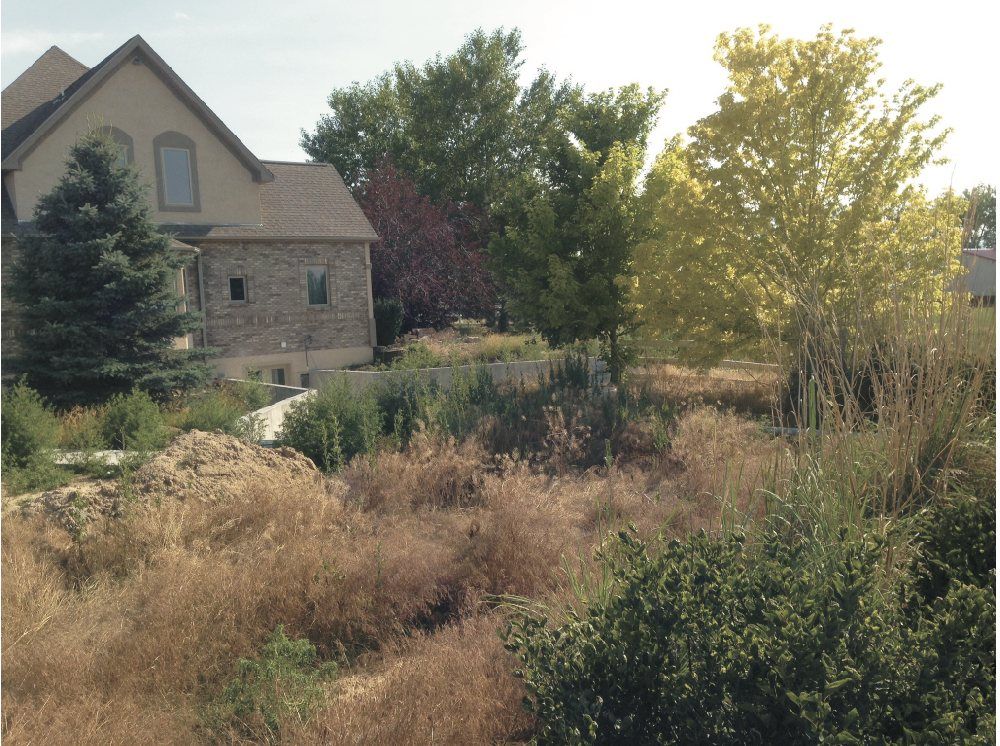
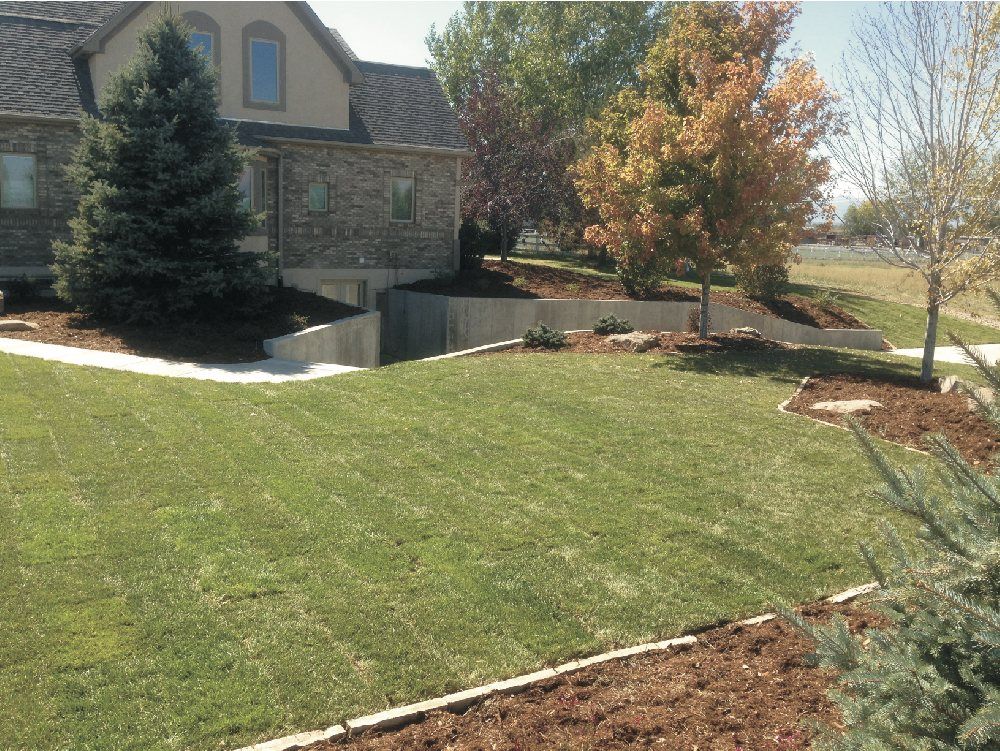
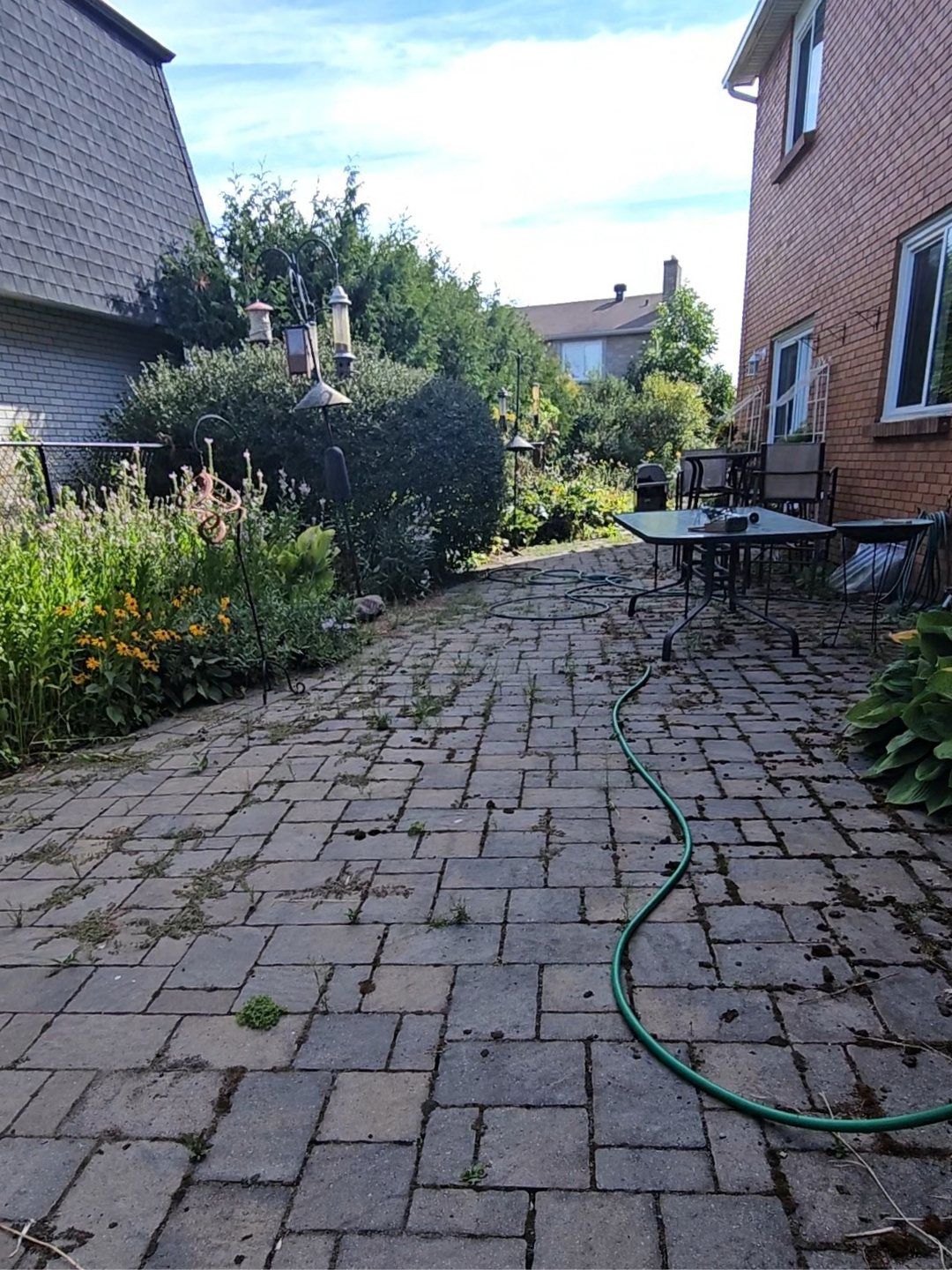
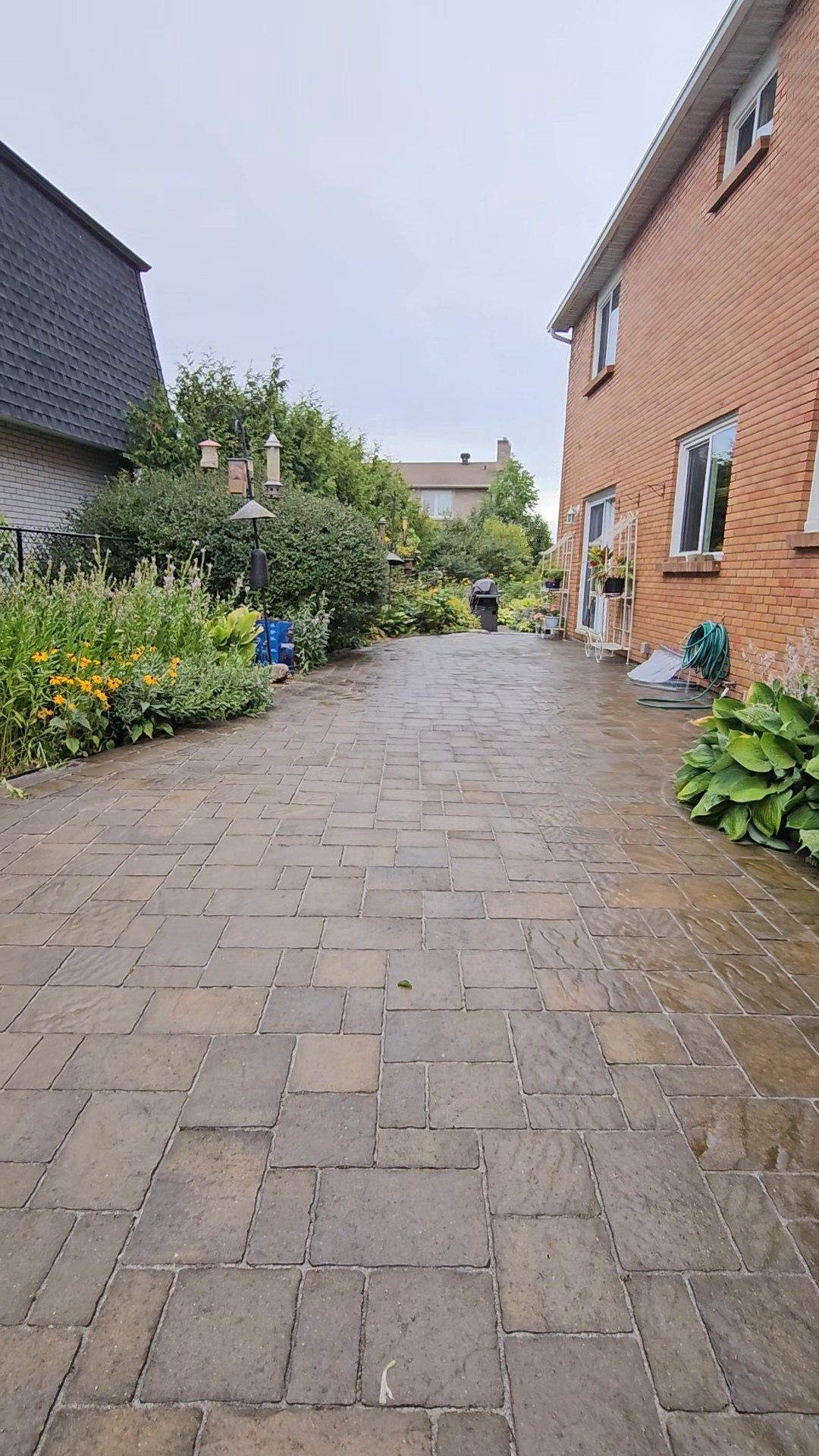
Great experience! These guys did an amazing job bringing life back to my property. They removed all the weeds, treated the area, put mulch, and cleaned the interlock. The transformation was incredible! Very happy with the quality of work, professionalism, and the price. Highly recommend!
What's included
- Layout, measuring and a slope that drains away from the house
- Utility locates arranged before any digging
- Digging out and hauling away sod, soil or the old surface
- Gravel base compacted in thin layers, then a screeded sand bed
- Pavers laid in your pattern, with clean edge cuts and edge restraints
- Joints filled with polymeric sand, and the site left tidy
Price depends on
- Size of the area
- Walkway, patio or driveway
- Access to the backyard
- Old surface or soil to remove
- Paver choice and pattern
- Steps, slopes or drainage work
Every job is priced after we see it. The visit and the quote are free, or text us a photo for a first idea.
How it works
-
Send us the details
Call, text or fill in the quote form. A couple of photos of the area help us understand the job.
-
We visit and quote for free
We come out, look at the job with you and give you a price. There's no obligation.
-
We do the work
If you're happy with the quote, we agree on a day and get it done.
Get a free quote
Pick what you need and where you are. We'll get back to you to book a free visit and quote.
Faster: text 2–3 photos of the area to (437) 684-2535.
Thanks, we've got your request.
We'll be in touch to arrange a visit.
If you have photos of the area, text them to (437) 684-2535 and we'll take a look before we come out.
Short answer
We build new interlock walkways, patios, borders and driveways in Markham and nearby, on a deep compacted base that drains and stays flat. That means digging out the old soil, compacting gravel in layers, screeding a sand bed, laying the pavers, fixing edge restraints and filling the joints with polymeric sand, so the surface holds up through Ontario winters.
Most of a good interlock installation is buried. Whether a walkway or patio stays flat for years depends on how deep the ground was dug, what went back in, and how well it was compacted.
When does new interlock make sense?
New interlock makes sense when the surface you have, or the lack of one, bugs you every day. Think of a cracked concrete front walk that catches the snow shovel, a muddy path worn across the lawn to the back gate, or a backyard where the chairs sink into the grass.
It also gives a clean line between lawn and beds, like the interlock border on our sod, edging and mulch project.
If your interlock has only sunk or cracked in a few spots, you probably don’t need new interlock. Interlock repair fixes those sections and usually costs far less than starting over.
What does interlock installation involve?
Every interlock installation follows the same order:
- We mark out the area and set the slope first. Unilock’s installation guide says every installation should slope away from the house.
- Buried lines get marked before anyone digs. In Ontario a public utility locate is free and required by law, and the Ontario Dig Authority (formerly Ontario One Call) asks for at least five business days’ notice for a single-address job. Private lines, like gas to a barbecue or power to a shed, need a separate private locate.
- We dig out sod, soil or the old surface and take it away.
- Gravel goes in and is compacted with a plate compactor in layers of 2–3 inches, to the depth in the table below.
- A 1-inch bed of coarse sand is screeded over the base, which already carries the slope. The Concrete Masonry & Hardscapes Association warns against using bedding sand to even out a bumpy base.
- The pavers go down in your pattern with clean cuts along the edges, and edge restraints keep them from spreading.
- We compact the surface and fill the joints with polymeric sand, then wet it so it sets. Techniseal’s data sheet asks for dry pavers, a day without rain and 48 hours above 0°C while it dries.
How deep does the base need to be?
It depends on what the interlock carries. Typical figures from Unilock’s basic technical guide:
Scroll sideways to see the whole table.
| Surface | Compacted gravel base | Bedding sand |
|---|---|---|
| Walkway or patio | 6–8 inches | About 1 inch |
| Driveway | 10–14 inches | About 1 inch |
Clay soil needs deeper digging than sandy soil. Unilock’s contractor guide to paver base is more cautious, at about 10–12 inches for patios and walkways and 14–16 inches for driveways, so treat the lower numbers as a minimum.
Our guide to what goes under interlock covers gravel types, bedding sand and fabric in more detail.
What affects the price of new interlock?
Size, base depth and access move the price the most, so two patios of the same size can be very different jobs. A driveway needs a much deeper base than a walkway, and a backyard patio where everything goes through a narrow side gate takes longer than a front walk beside the driveway.
Tearing out an old concrete slab or failed interlock adds work, and curves, borders and herringbone mean more cuts. If a driveway change involves the curb, the permit is part of the cost too. For published market ranges and how base depth shows up in the number, see how much interlock costs in the GTA.
When should you plan new interlock?
Build while the ground isn’t frozen, which in Ontario usually means spring through fall, and settle the quote and design over the winter. Late-fall jobs depend on the forecast, because the joint sand needs two dry days above 0°C.
How do you keep new interlock looking good?
- Sweep it often and rinse it in spring. Our interlock cleaning guide covers washing it without blasting out the joints.
- Pull weeds while they’re small, and keep downspouts from emptying onto the pavers.
- Top up or redo the joints when they get low. The polymeric sand guide explains when.
- Sealing is optional. Read whether you should seal your interlock first.
Good to know
Use a plastic shovel in winter. Unilock’s winter care page says metal blades scratch pavers, rock salt is fine used sparingly but stops melting ice below about −9°C, and magnesium-based de-icers can damage the surface.
Should you do it yourself or hire an interlock contractor?
A small walkway or paver border is a fair DIY project if you’re patient and can rent a plate compactor. A patio or driveway means hauling a lot of soil and compacting a lot of gravel, and mistakes in the base or slope often only show after the first winter.
Our guide on why interlock sinks explains what goes wrong.
Interlock installation around Markham
We’re based in Markham and work across nearby areas including Richmond Hill, Vaughan and Scarborough. The easiest start is to text a few photos of the area to (437) 684-2535 with your street or postal code. We’ll come out, measure and give you a free quote.
Signs it's time
- A cracked or heaving concrete walkway you'd rather replace than patch
- A muddy path worn across the lawn where everyone actually walks
- A backyard with no flat, dry place to put a table and chairs
- Patio slabs on sand that have shifted, rocked and spread over the years
- Lawn and garden beds running into each other with no clean edge
- An old interlock surface that has failed in so many places that repairs no longer make sense
Some of our work
Questions about interlock installation
How deep should the base be for interlock?
It depends on what the surface carries and on your soil. Unilock's basic technical guide lists a gravel base of 6–8 inches for patios and walkways and 10–14 inches for driveways, with about an inch of bedding on top. Its contractor guide is more cautious, at 14–16 inches for driveways, and clay soil needs deeper digging than sand. A base that's too thin or poorly compacted is one of the usual reasons new interlock sinks.
Do I need a permit to widen my driveway with interlock in Markham?
The part that clearly needs a permit is the curb. The City of Markham says you need one to widen a curb cut or create a new one, that you can't modify a curb on your own, and that By-law 158-93 sets how big the change can be. There's a fee, which covers a site inspection. Check with the city before you plan a wider driveway, and we'll work the answer into the layout.
When is the best time to install interlock in Ontario?
Any time the ground isn't frozen, which usually means spring through fall. The last step, polymeric sand, goes onto dry pavers. Techniseal asks for 24 hours without rain and temperatures above 0°C for the 48 hours it takes to dry, so the finish gets planned around the forecast. Fall and winter are good months to get a quote and settle the design, so the work can start once the ground thaws.
Is interlock better than a concrete walkway or patio?
It depends what you want from it. Interlock's big advantage is that it can be repaired in pieces: if one area sinks or a paver breaks, that section comes up and goes back down. A cracked concrete slab usually has to be broken out. Interlock does need its joints looked after, and the deep base it needs is a big part of what it costs.
How do I get a quote for interlock installation?
Call or text (437) 684-2535, or send the quote form with your street or postal code. Photos of the area and a rough idea of what you want, such as a patio size or a new front walk, help us understand the job. We then come out, measure and talk it through with you, and give you a free quote.
What customers say
5.0 on Google · 7 reviews. Read all reviews on Google
Very reasonable price, great service, very professional crew. They came to do a quote and at first their price seemed high, but when i saw them work it explained everything! They wend above and beyond, and fully transformed my front and backyard so it looks amazing. The quality of workmanship is really high, I would trust them to do literally everything around exterior of the house, i am planning to call the for gutter cleaning job in the fall.
Read moreShow less
Sofiia P. · Google · August 2026 Great service, best team for gardening and pressure washing. Happy with the results! Next time will invite them in few months for window cleaning
Yaroslav · Google · August 2026 Worked w the owner, this was for yard cleanup, he had a professional crew and they got the job done fairly quickly in the front and backyard.
Jack K. · Google · October 2026
Where we do this
We're based in Markham and work across Markham and nearby: