Fall cleanup checklist: what to do before winter
Short answer
A fall cleanup in Ontario means getting the leaves off the lawn and hard surfaces, clearing out the beds, cutting back only diseased or collapsed plants, mowing one last time to about 5 cm (2 inches), and shutting off outdoor taps before the first frost. In the GTA, late October into November works best. Check your pickup dates first: Markham's 2026 yard material collection ends October 30.
Key numbers
- Markham's last yard waste pickup
- October 30, 2026
- Leaves a mower can mulch in
- Up to about 15 cm (6 in) at once
- Last mow height
- About 5 cm (2 in)
- Markham bag or bundle limit
- Under 18 kg each
- Downspout outlet from foundation
- At least 1.8 m (6 ft)
In this guide
Before winter, a fall yard cleanup in Ontario comes down to five jobs. Get the leaves off the lawn and paving, clear out the beds, cut back only what’s diseased or collapsed, mow one last time to about 5 cm, and shut off the outdoor taps before the first frost.
Around Markham that work usually falls in late October and November.
Most of it is really about spring. Leaves left on the lawn turn into a flat grey mat by April, and beds full of rotting annuals are where the weeds show up first. A tap left on can split in the first cold snap.
The step-by-step checklist further down runs in the order we’d do it. First, the reasoning behind the steps people most often get wrong. If you’d rather hand the whole thing off, that’s what we do on our fall and spring cleanups.
When should you do a fall cleanup in the GTA?
Do it once most of the leaves are down, which around Markham is usually late October into November, and before the ground freezes.
Starting too early means doing the leaves twice. Starting too late means raking wet leaves off frozen grass, or finding them under the first snow.
For the beds, Penn State Extension suggests waiting until several hard frosts have killed back the tops of your perennials before cutting anything. Until then, the roots are still pulling energy back from the dying leaves.
Annuals can come out after the first frost.
The other deadline is your city’s last yard waste pickup.
Good to know
With big maples or oaks, two passes usually beat one. Do an early round before the last collection, then a final tidy once the trees are bare.
When does yard waste pickup stop?
Curbside pickup ends earlier than most people expect, especially in Markham. Here is what the City of Markham and the City of Toronto publish:
Scroll sideways to see the whole table.
| Markham | Toronto (incl. Scarborough, North York) | |
|---|---|---|
| Season | April 7 to October 30, 2026 | Around mid-March to mid-November |
| How often | Every other week | Every other week, on garbage day |
| Containers | Kraft paper bags or open rigid containers (no lids) | Kraft paper bags or open rigid containers 55–95 cm tall |
| Weight limit | Under 18 kg per bag, container or bundle | Bundles no heavier than 20 kg |
| Branches | Bundles under 1.2 m long, branches under 15 cm across, tied with string | Bundles no longer than 1.2 m or wider than 0.6 m, wood no thicker than 7.5 cm, tied with natural fibre rope |
| Not taken | Grass clippings, sod, soil, large stumps and root balls | Grass clippings, sod, soil |
Plastic bags and cardboard boxes are refused in both cities.
If you miss Markham’s last date, the City lists the Richmond Hill (Bloomington) compost facility as a drop-off option. Dates change every year, so check your city’s page before you plan around them.
Should you leave the leaves on the lawn?
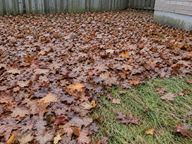
A light layer is fine if you chop it up, but a thick, whole-leaf mat should come off.
Virginia Cooperative Extension, citing Michigan State University research, says up to about 15 cm (6 inches) of leaves can be mulched into a lawn at once with a mower, sometimes with several passes. The same research found fewer dandelions and less crabgrass over time, because the leaf bits filled the bare spots where weed seeds would have sprouted.
Left as a thick layer, though, leaves block light and hold moisture in the grass. Virginia Extension says that raises the risk of disease.
University of Illinois Extension lists leaves and other debris on the turf as one of the conditions behind snow mould, the grey or pink matted patches you sometimes find in spring.
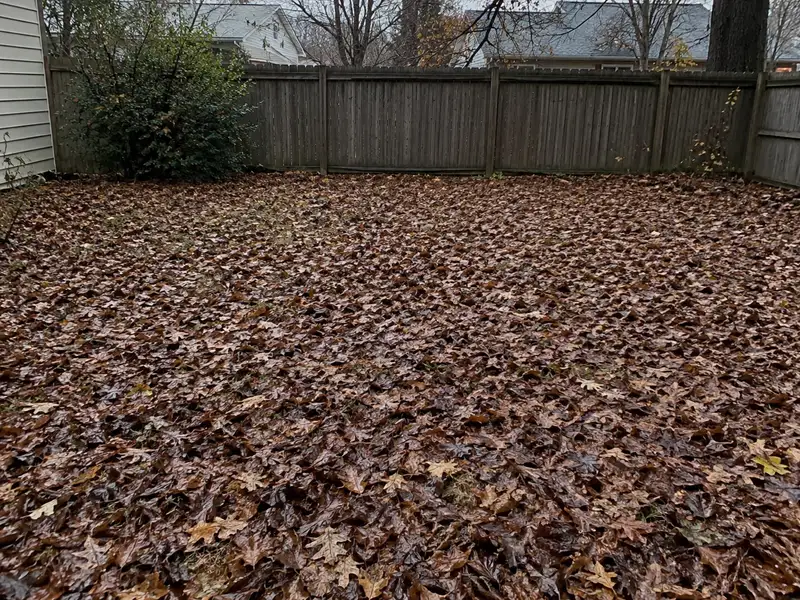
Leaves don’t have to go to the curb at all. Raking a layer into the garden beds lets them break down over the winter, and Illinois Extension notes that some moths and butterflies spend the winter in leaf litter.
Which plants should you cut back in the fall?
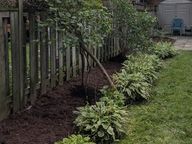
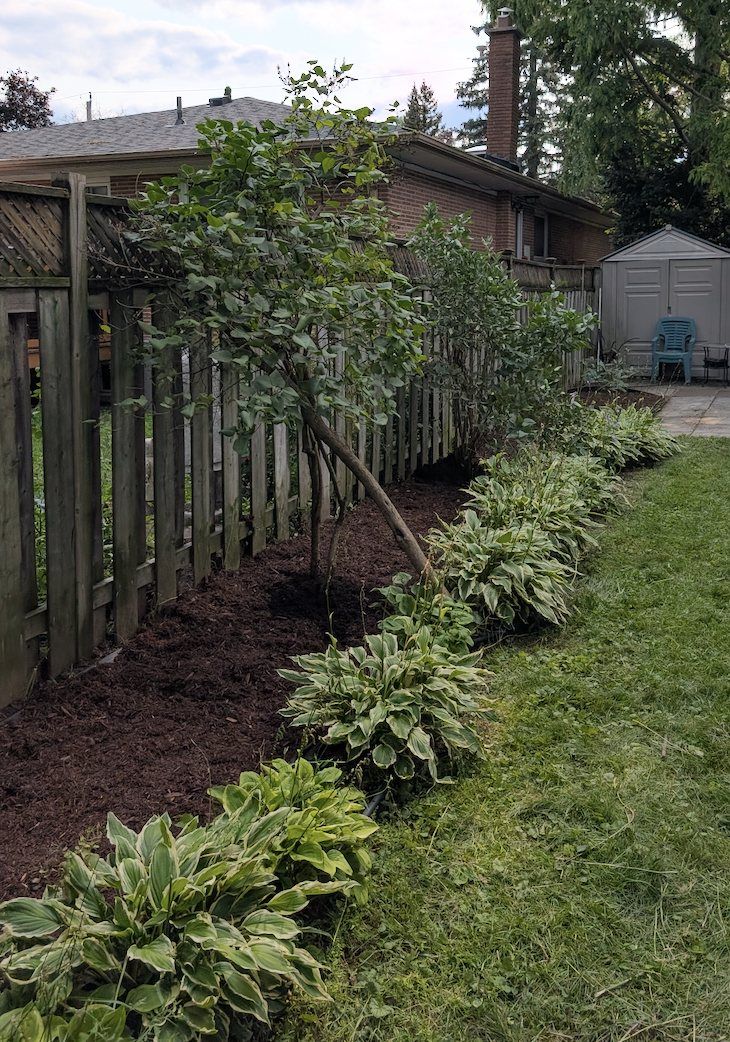
Cut back the plants that are diseased, rotting or flopped over, and leave the healthy ones standing until spring. Penn State Extension’s advice sorts them like this:
Scroll sideways to see the whole table.
| Plant | In the fall | Why |
|---|---|---|
| Bee balm, garden phlox with powdery mildew | Cut back, bin the stems | Composting them brings the disease back |
| Hostas | Clear the leaves after frost | Dead leaves can shelter slug eggs |
| Peonies, daylilies | Cut once the foliage browns | They add nothing to the winter garden |
| Ornamental grasses | Leave until spring | Cut before the new shoots appear |
| Purple coneflower, black-eyed Susan | Leave standing | The seed heads feed birds |
| Garden mums | Leave alone | Old tops catch leaves and snow that insulate the plant |
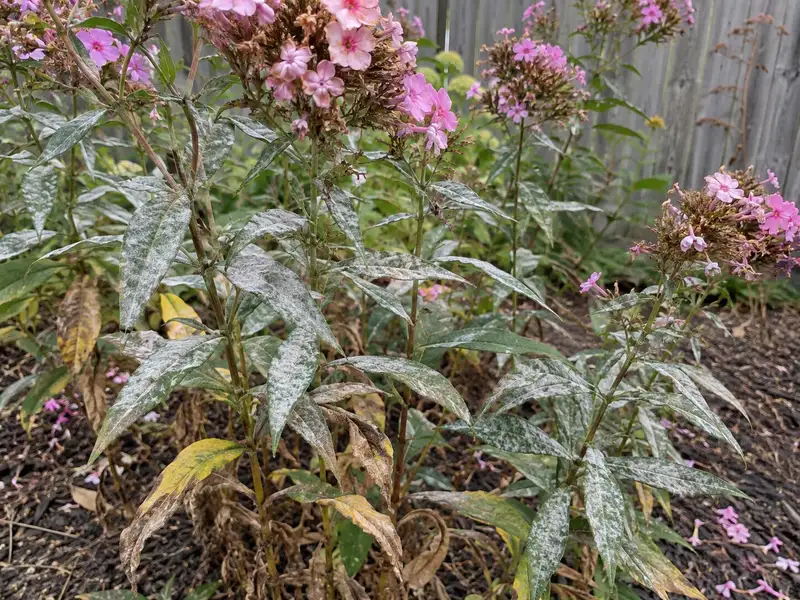
Healthy hollow stems are worth keeping too. Illinois Extension points out that native bees nest in them and some butterflies spend the winter on dry stems.
Good to know
If you do cut back a late-emerging plant such as butterfly weed, Penn State suggests leaving about 5 cm (2 inches) of stem. That way you’ll know where it is in spring and won’t dig into it.
How short should the last mow be?
About 5 cm (2 inches). Illinois Extension recommends a final height of about two inches and says to keep mowing until the grass is fully dormant.
The Nursery Sod Growers Association of Ontario puts it as roughly 30 per cent below your usual height. From a 7.5 cm summer cut, that lands close to 5 cm, and the association says the shorter grass helps reduce matting under the snow.
Don’t go lower than that in one go.
For overseeding, aeration and repair, see our guide to fall lawn care in Ontario. The Ontario lawn care calendar picks up from there in spring.
Common fall cleanup mistakes
These are the ones that cause the most trouble come spring.
- Waiting for every last leaf to drop, then missing the city’s final pickup date.
- Leaving whole wet leaves on the lawn over winter, and finding dead patches under them in April.
- Cutting every perennial to the ground, including the grasses and seed heads that look good in winter and feed birds.
- Composting diseased stems and leaves, which brings the same problem back next year.
- Giving hedges and shrubs a hard trim in October. Penn State Extension says late summer and fall are poor times to prune, because the new growth that follows is open to winter injury. Iowa State Extension gives the same warning for evergreens.
- Leaving leaves on interlock all winter. Techniseal lists dead leaves among the organic stains on concrete pavers, and Unilock suggests a leaf blower to clear debris and seeds off pavers.
- Blocked eavestroughs. The City of Toronto asks homeowners to keep eavestroughs and downspouts clear and to let downspouts drain onto grass or a garden at least 1.8 m (6 feet) from the foundation.
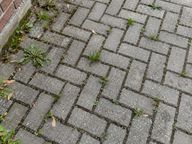
Our guide on when to trim hedges in Ontario has the better pruning timing. For the paving, debris left in the joints is where weed seeds settle, and our guide on weeds between pavers has more.
Watch out
Don’t forget the outdoor tap. The City of Toronto says outdoor faucets are the first to freeze. Peel Region’s advice: before the first frost, close the indoor shut-off valve for the outside tap, unscrew the hose, then open the outside tap so it drains.
When it’s worth getting help
A small yard with one young tree is a reasonable afternoon with a rake and a mulching mower, and you don’t need anyone for it.
It’s a different job when you have mature trees dropping leaves for weeks, beds that have been let go, a lot of bagging, or a pickup date coming up fast. A backpack blower and a second pair of hands get through it far quicker than one person with a rake.
If that sounds like your yard, our seasonal cleanup service takes the leaves, beds and hard surfaces off your hands. We work across Markham and nearby, including Richmond Hill and Scarborough.
Call or text (437) 684-2535, or text us a few photos of the yard with your street or postal code, and we’ll come by and give you a free quote. When the snow is gone, our spring cleanup checklist picks up where this one stops.
Step by step
- Check your yard waste pickup dates. Look up your city's last curbside yard waste day before you start. Markham collects every other week from April 7 to October 30 in 2026. Toronto, including Scarborough and North York, collects every other week until around mid-November. Plan the big leaf job before that date.
- Clear leaves off the lawn. Chop a light layer into the grass with a mulching mower, using more than one pass if needed. Rake or blow off anything thicker, because a wet mat of leaves shades the grass and holds moisture against it all winter.
- Blow leaves off hard surfaces. Clear the driveway, walkways, interlock, deck and steps. Wet leaves get slippery, and dead leaves left lying on pavers and concrete can stain them badly enough to need a cleaner.
- Pull annuals and weeds from the beds. Pull annuals once the first frost has killed them. Pull weeds while the soil is still soft, and get the roots out so they don't come back first thing in spring.
- Cut back only the plants that need it. Cut back diseased plants such as phlox or bee balm with powdery mildew, collapsed hosta leaves and browned peonies. Bin the diseased material instead of composting it. Leave healthy stems, ornamental grasses and seed heads standing.
- Use some leaves in the beds. Rake a layer of chopped leaves into the garden beds around shrubs and perennials. They break down over the winter and feed the soil, and some insects spend the winter in them.
- Mow one last time. Keep mowing until the grass stops growing, then make the last cut at about 5 cm (2 inches). Don't scalp it short, and don't leave it long and floppy going into the snow.
- Leave the hedge shears alone. Skip heavy pruning of shrubs and hedges in the fall. A hard cut now can push out new growth that gets damaged over the winter. If a branch has snapped or died, cut it out cleanly and leave the shaping for spring.
- Clean eavestroughs and downspouts. Clear leaves out of eavestroughs and downspouts once the trees are bare. Make sure each downspout empties onto grass or a garden bed at least 1.8 metres (6 feet) from the foundation.
- Shut off the outdoor taps. Before the first frost, unscrew the hose, close the shut-off valve inside the house on the pipe that feeds the outdoor faucet, then open the outside tap so the water left in it can drain.
- Do a final sweep. Sweep or blow the hard surfaces one more time, put away hoses and furniture cushions, and bag or bundle the last of the yard waste for pickup or the depot.
Other questions people ask
When should I start my fall garden cleanup?
Around Markham and the rest of the GTA, late October into November is the usual window, once most of the leaves are down but before the ground freezes or snow arrives. Penn State Extension suggests waiting until several hard frosts have killed back perennial tops before cutting them, unless a plant is diseased. If you rely on curbside pickup, work back from your city's last yard waste date.
What's included in a yard cleanup?
A typical fall cleanup covers leaves off the lawn, beds and hard surfaces, pulling dead annuals and weeds, cutting back plants that are diseased or have collapsed, edging the beds, a last mow, clearing eavestroughs, and bagging or bundling everything for pickup. Some people add fresh mulch or weeding of the interlock joints. What a company includes varies, so ask for the list before you book.
What plants should not be cut down in the fall?
Leave ornamental grasses, purple coneflower, black-eyed Susan and other plants with seed heads standing until spring. Birds feed on the seeds, and hollow stems give native bees a place to spend the winter. Penn State Extension also says not to cut back garden mums, because the old tops collect leaves and snow that insulate the plant. Diseased plants are the exception and should come out.
Sources
- City of Markham: Yard material collection
- City of Toronto: Yard waste
- City of Toronto: Prevent or thaw frozen pipes
- Region of Peel: Preventing frozen pipes
- City of Toronto: Managing water around the house
- Virginia Cooperative Extension: Managing fallen leaves (publication 430-521)
- University of Illinois Extension: Preventing winter damage to lawns
- University of Illinois Extension: Consider pollinators during fall garden cleanup
- Penn State Extension: Cutting down perennials in the fall
- Penn State Extension: How and when to prune flowering shrubs
- Iowa State University Extension: The proper time to prune trees and shrubs
- Nursery Sod Growers Association of Ontario: Prepare your lawn for winter
- Techniseal: Organic Stain Remover for pavers technical data sheet
- Unilock: Spring maintenance for pavers
Related guides and service
- Fall lawn care in Ontario: overseeding, aeration and repair In Ontario, fall lawn work runs from late August into November. Overseed thin areas from mid-August to mid-September, with early September the sweet spot, ideally right after core aerating damp soil.
- Spring cleanup checklist for Ontario yards Do a spring yard cleanup in Ontario in two rounds. Once the snow is gone and the ground is firm, usually in April in the GTA, pick up branches, sweep hard surfaces, rake the lawn lightly and prune shrubs.
- How to stop weeds growing between pavers Weeds grow between pavers when the joint sand washes out or dirt settles on top of it.
- When to trim hedges and shrubs in Ontario In Ontario, trim cedar, juniper and yew hedges in early spring before new growth starts, or around mid-June once the first flush of growth is done, with a light touch-up in midsummer.