How often to water new sod, and how long it takes to root
Short answer
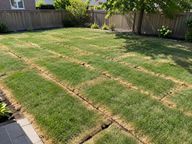
In Ontario, start watering new sod as soon as it's laid (about half an inch in the first 10–15 minutes), then water every morning for the first two weeks, with a light afternoon watering on hot days. Most sod roots in 10–14 days. Once a gentle tug won't lift it, water less often but more deeply, and after about three weeks switch to normal lawn watering. In Markham, new sod is exempt from watering limits for two months.
Key numbers
- Water on laying day
- ½ inch (1.25 cm) in the first 10–15 minutes
- Daily watering
- Every day for the first two weeks
- Time to root
- 10–14 days in good weather
- Extra watering ends
- After about three weeks
- Markham bylaw break for new sod
- 2 months after laying
In this guide
How often to water new sod depends on how old it is. In Ontario, water it every day for the first two weeks, mostly in the morning. Once it has rooted, usually after 10–14 days, switch to longer waterings every few days.
The schedule below is for cool-season sod like Kentucky bluegrass in Markham and the rest of the GTA.
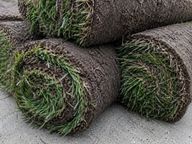
The daily part matters because new sod has very little to draw on. The University of Nebraska–Lincoln turf program notes it’s usually cut just 0.6 to 1.3 cm (¼ to ½ inch) thick at the farm. Until roots grow into your soil, that thin layer holds all the water the grass can reach.
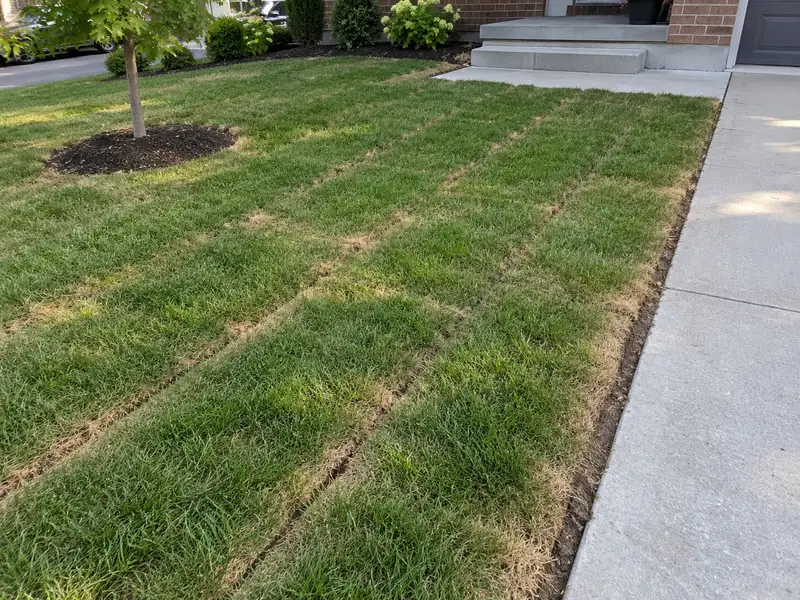
Let it dry out for one hot afternoon and the pieces shrink and the seams open. Keep it soaking wet and the roots won’t grow down properly either.
If you haven’t had the sod laid yet, our sod installation and lawn repair page explains how we do the job.
How often should you water new sod in Ontario?
Every day for the first two weeks, with light extra waterings in the mid and late afternoon in warm weather. That’s the University of Nebraska–Lincoln turf program’s advice.
Iowa State University Extension says to water every morning for the first 7–10 days and add an afternoon watering when it’s warm. The goal is sod and soil that stay moist and cool but not saturated.
On a cool, cloudy week in May or late September, once a day is often enough. During a July heat wave in Markham, the edges along the driveway may need a second and even a third short soak in the afternoon.
A week-by-week watering schedule
This assumes sod laid in spring or early fall. Adjust it by checking the soil, as the next section explains.
Scroll sideways to see the whole table.
| When | How often | How much | What to check |
|---|---|---|---|
| Laying day | Start right away | About 1.25 cm (½ inch) in the first 10–15 minutes, then keep going until the soil under the sod is wet | Lift a corner: the soil below should be dark and damp |
| Days 1–10 | Every morning, plus a light afternoon watering on hot days | Enough to keep the sod and the top few centimetres of soil moist, not puddled | Edges, seams and strips beside pavement dry first |
| Days 10–14 | Once a day | A bit more each time | Tug test: grab the grass and lift. If it resists, roots have taken hold |
| Week 3 | Every two or three days | Longer, deeper waterings | Water when the top of the soil starts to dry |
| Week 4 on | Once or twice a week | About 2.5 cm (1 inch) a week in total, counting rain | Normal lawn care from here |
The laying-day figure comes from Greenhorizons, an Ontario sod grower. Half an inch of water in the first 10–15 minutes does more good than 3 inches a few hours later.
Cutting back once the sod resists lifting follows Nebraska and Iowa State, and Iowa State says regular sod watering can stop after three weeks. The 2.5 cm a week is what Ontario’s agriculture ministry says Kentucky bluegrass needs to stay out of dormancy.
Watch out
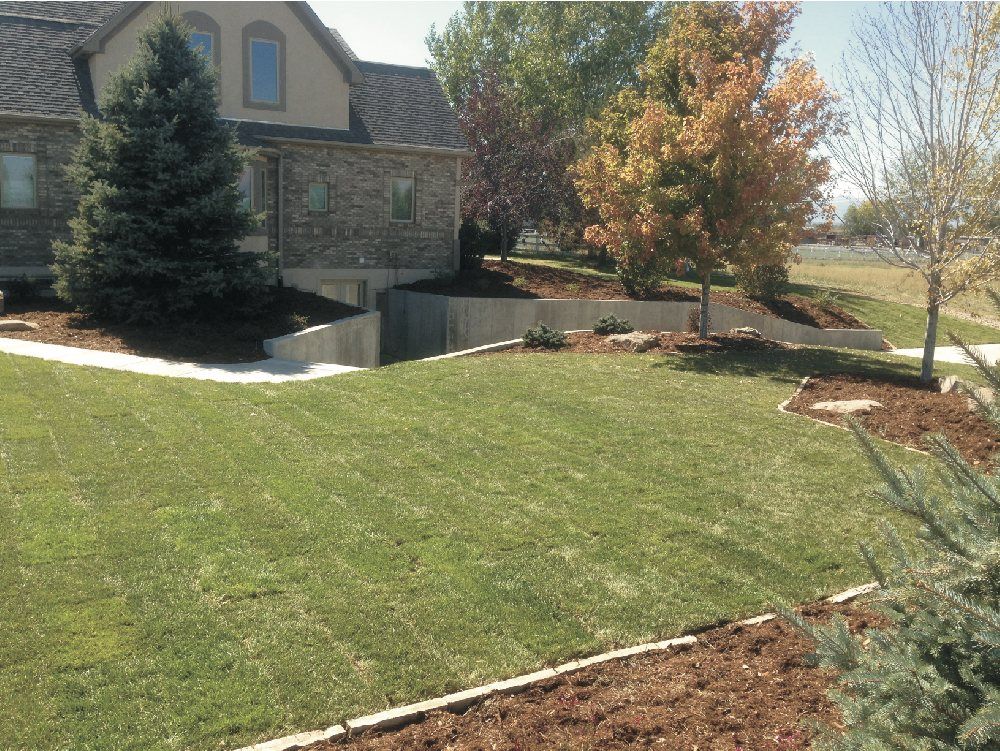
Don’t wait until the whole lawn is down before you turn on the water. Start watering the first section while the rest is still being laid, since the first pieces can dry out in the meantime.
How do you know you’re watering enough?
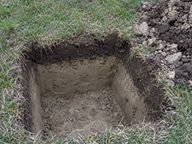
Lift a corner of a sod piece and look at the soil underneath:
- Dark and damp means you’re fine.
- Dry and pale means you need to water longer.
- Water squishing out or muddy soil means you should cut back.
Iowa State warns that new sod won’t root properly if it’s kept saturated, so overwatering does real harm.
To learn how long your sprinkler takes, Greenhorizons suggests a simple test:
- Set an empty straight-sided container (a tuna can works) about 6 feet from the sprinkler.
- Turn the sprinkler on and time it.
- Stop once the container holds half an inch of water.
That time is roughly how long each watering needs.
Check a few spots, not just one. Greenhorizons points out that heat reflected off buildings dries sod faster, so strips next to the house, the driveway or a south-facing fence need water more often than the middle of the lawn.
Good to know
On those hot strips, a hand-held hose beats running the sprinkler for the whole yard again. You give the edges what they need without drowning the middle.
How long does it take new sod to root?
Usually 10–14 days in good weather. The Nebraska turf program says to start checking after 7–10 days by firmly gripping the grass with both hands and lifting. Under good conditions, the sod usually resists within 10–14 days.
Resisting a tug isn’t the same as being established. The roots are only just into your soil at that point, and Nebraska notes that sod may take months to root adequately.
Its fact sheet also says sod laid in spring or summer copes poorly with drought in its first year. Watch it through the first dry spell, even after daily watering has stopped.
Does the season change how you water?
Yes, quite a bit. Nebraska’s turf program prefers early spring or early fall for laying sod because it needs less watering then than in summer. Around the GTA, that means spring once the soil has dried out, and late summer into early fall.
Scroll sideways to see the whole table.
| Season | What changes | What to do |
|---|---|---|
| Spring | Rain often does part of the job, but a windy, sunny April day dries sod faster than you’d expect | Lift a corner before skipping a day |
| Summer | Sod can dry out in a single afternoon | Water in the morning, plus light waterings in the mid and late afternoon during hot spells |
| Fall | Cool nights and slower evaporation mean less watering | Keep checking under a corner rather than sticking to a summer schedule |
Our guide to the best time to lay sod in Ontario covers how late in the year is too late.
Morning is the best time to water in any season. Ontario’s agriculture ministry advises sod growers to irrigate in the morning, when there’s less wind and evaporation.
The ministry also says early evening irrigation isn’t recommended because it raises the risk of disease. The same logic applies at home: grass that stays wet all night is an easy target for fungus.
Watering bylaws and new sod in York Region
Most York Region towns limit lawn watering in summer, but new sod gets a grace period. From the City of Markham and York Region:
Scroll sideways to see the whole table.
| Town | Bylaw season | Grace period for new sod |
|---|---|---|
| Markham | June 1 to September 30 | 2 months after laying |
| Richmond Hill | June 15 to September 30 | 1 month |
| Vaughan | May 15 to September 30 | 1 month |
| Whitchurch-Stouffville | May 15 to September 30 (York Region’s default season) | 1 month |
Outside the grace period, Markham allows watering on odd or even days to match your house number. You can water between 6 and 9 a.m. or 6 and 9 p.m., but not both. Rules change, so check your town’s page before a dry spell.
York Region’s rules don’t cover Scarborough, North York or Pickering, so check with your own city or region there.
When to mow, walk on and feed new sod
Mow as soon as the grass is growing and clearly taller than you want it. Greenhorizons says to mow new sod about seven days after it’s laid, across the direction the rows were laid. It calls skipping that first cut the most common and disastrous mistake.
The two differ on height. Greenhorizons suggests about 2¼ inches for the first cut, while Nebraska recommends 3 inches or more for Kentucky bluegrass. Both say never to remove more than a third of the blade at once.
Keep foot traffic to a minimum until the sod is well established. Nebraska recommends a walk-behind mower for the first three to five cuts.
On fertilizer, Nebraska suggests a starter fertilizer at three points:
- On the soil, before the sod goes down.
- Again four to six weeks after laying.
- Once more at eight to ten weeks.
Follow the bag label, and a soil test if you have one.
Watch out
Hold off on weed killers. Nebraska notes that most herbicides aren’t labelled for sod until it’s well established.
Common mistakes with new sod
- Waiting until the whole lawn is laid before turning on the water.
- Short, shallow sprinkles that wet the grass but never reach the soil underneath.
- Overwatering, so the soil turns to mud and the roots don’t grow down properly.
- Forgetting the edges. Gaps at the seams are a sign the sod dried out and shrank.
- Putting off the first cut, then scalping the long grass when you finally mow. Take off no more than a third of the blade at a time.
- Blaming the watering when the real problem is underneath. Sod laid over old grass, compacted fill or a bad grade won’t root properly however carefully you water it. Our guide on how to prepare your yard for sod covers that part.
When it’s worth calling someone
Most watering problems fix themselves once you adjust the schedule. Look further if any of these happen:
- Whole pieces still lift freely after three weeks.
- The lawn stays yellow even with damp soil underneath.
- Water pools in the same spots after every rain.
Then the cause is usually the prep or the grade, not the watering. It’s often cheaper to pull the failed pieces, fix the soil and re-sod those patches than to keep watering.
We do that kind of lawn repair around Markham and nearby. Call or text (437) 684-2535, or see what our sod installation service involves.
If you’re still planning, our guides on what sod installation costs and fall lawn care in Ontario are good next reads.
Other questions people ask
How long are you supposed to water new sod?
Plan on about three weeks of extra watering. The first two weeks need daily watering, with a light afternoon top-up in hot weather. Once the sod roots, cut back to deeper waterings every few days. Iowa State University Extension says regular sod watering can be stopped after three weeks. From then on, water it like an established lawn. Ontario's agriculture ministry puts Kentucky bluegrass at about 2.5 cm of water a week.
How long before sod takes root?
Usually 10–14 days in good weather. The University of Nebraska–Lincoln turf program suggests checking after 7 to 10 days by firmly grasping the grass with both hands and lifting. When the sod resists, it has rooted. Spring and early fall make it easier because the sod needs less water than in summer. Nebraska also notes that sod may take months to root properly, so keep an eye on it through dry spells.
Can you walk on new sod after 2 weeks?
Keep it to what you need, like moving the sprinkler or mowing, until the sod passes the tug test, which is often around two weeks. Before that, footsteps on soft, wet soil leave dents. Nebraska's turf program says to keep traffic off new sod until it's well established, so hold off on kids' games and the dog's laps for a few more weeks, and use a walk-behind mower for the first three to five cuts.
Do watering bylaws apply to new sod in Markham?
Not at first. Markham limits lawn watering from June 1 to September 30 to odd or even days, between 6 and 9 a.m. or 6 and 9 p.m. The City says these limits don't apply to new sod for two months after it's laid. Richmond Hill, Vaughan and Whitchurch-Stouffville give new sod a one-month grace period, according to York Region.
When can I mow new sod?
As soon as the grass is growing and is taller than your normal mowing height. Greenhorizons, an Ontario sod grower, says to mow new sod about seven days after it's laid. Nebraska's turf program suggests spacing out waterings so the turf gets firm enough to mow in between, which keeps the mower from sinking in. Never take off more than a third of the blade at once.
Sources
- University of Nebraska–Lincoln Turfgrass Science Program: Establishing lawns from sod
- Iowa State University Extension: How should I water a newly sodded lawn?
- Greenhorizons Sod Farms: New sod maintenance
- Government of Ontario (Ministry of Agriculture, Food and Agribusiness): Manage sod during dry weather
- City of Markham: Water use by-law summary
- York Region: Outdoor water-use bylaws
Related guides and service
- How to prepare your yard for sod To prepare a yard for sod in Ontario, take out the old grass and weeds (the province bans glyphosate for cosmetic lawn use), grade the soil to fall away from the house about 1 foot per 50 feet, loosen it 4–6 inches deep…
- Best time to lay sod in Ontario (and can you lay sod in October?) Yes, you can lay sod in October in Ontario. Sod can go down any time the ground isn't frozen or snow-covered, roughly April to November around the GTA.
- Sod installation cost in Ontario: what you pay for, and why quotes vary HomeStars' 2026 price guide puts sod installation in Ontario at about $1.50 to $3.00 per square foot.
- Fall lawn care in Ontario: overseeding, aeration and repair In Ontario, fall lawn work runs from late August into November. Overseed thin areas from mid-August to mid-September, with early September the sweet spot, ideally right after core aerating damp soil.